Overseas Transfer: From Bedside to Ambulance
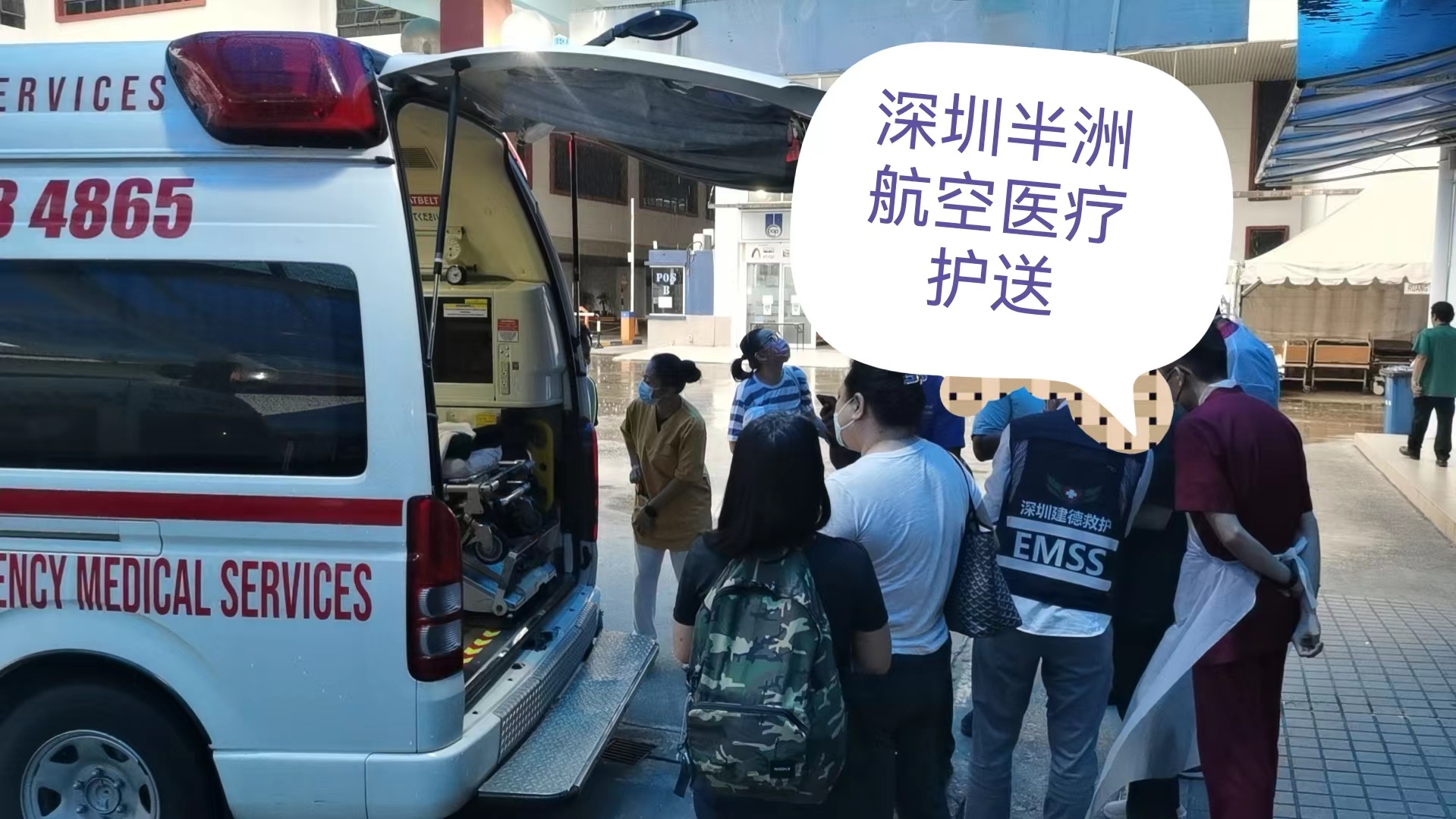
The first scene of an overseas transfer is usually not the airport but the hospital ward. The team completes the bedside clinical and document handover, escorts the patient to the local ambulance, then links the return flight. Below is a field record.
1. Bedside handover: where the transfer truly begins
In the photo, coordinators and local medics verify handover items beside the ambulance. The bedside handover rests on 'three confirmations': current treatment plan, en-route medication and equipment needs, and bed/team arrangement at the receiving hospital. Any information asymmetry can amplify into risk en route.
2. Working with local emergency services
Overseas, the team relies on licensed local providers for the hospital-to-airport ground segment. Selection criteria include vehicle certification, crew configuration and past collaboration records. The photo captures the exact moment the two responsibility interfaces meet.
3. Family communication across time zones
Overseas missions often span time zones. The team fixes a daily synchronization point to update the family on condition, itinerary and formalities, preventing anxiety born of an information vacuum.
BOOZOUN's view:
Overseas transfer is about coordinating interfaces — clinical, linguistic, institutional. The clearer the interfaces, the safer the patient.

Disclaimer: This is a de-identified coordination service record and does not constitute medical advice. Clinical decisions rest with professional medical institutions; flight operations are carried out by partner air operators, and aircraft and routing are subject to the coordination team's assessment. Patient and family details have been anonymized.
Need aviation medical coordination?
24/7 emergency response · coordination & dispatch
24h Hotline: +86 134 3446 6661